

Introduction
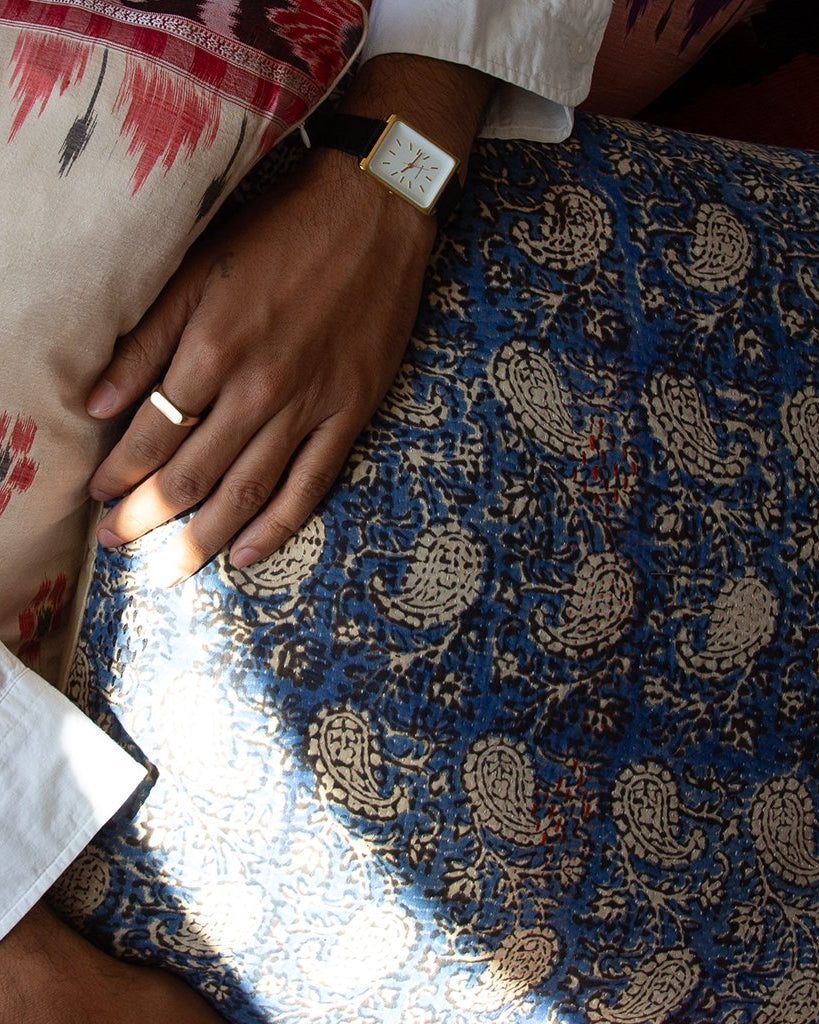
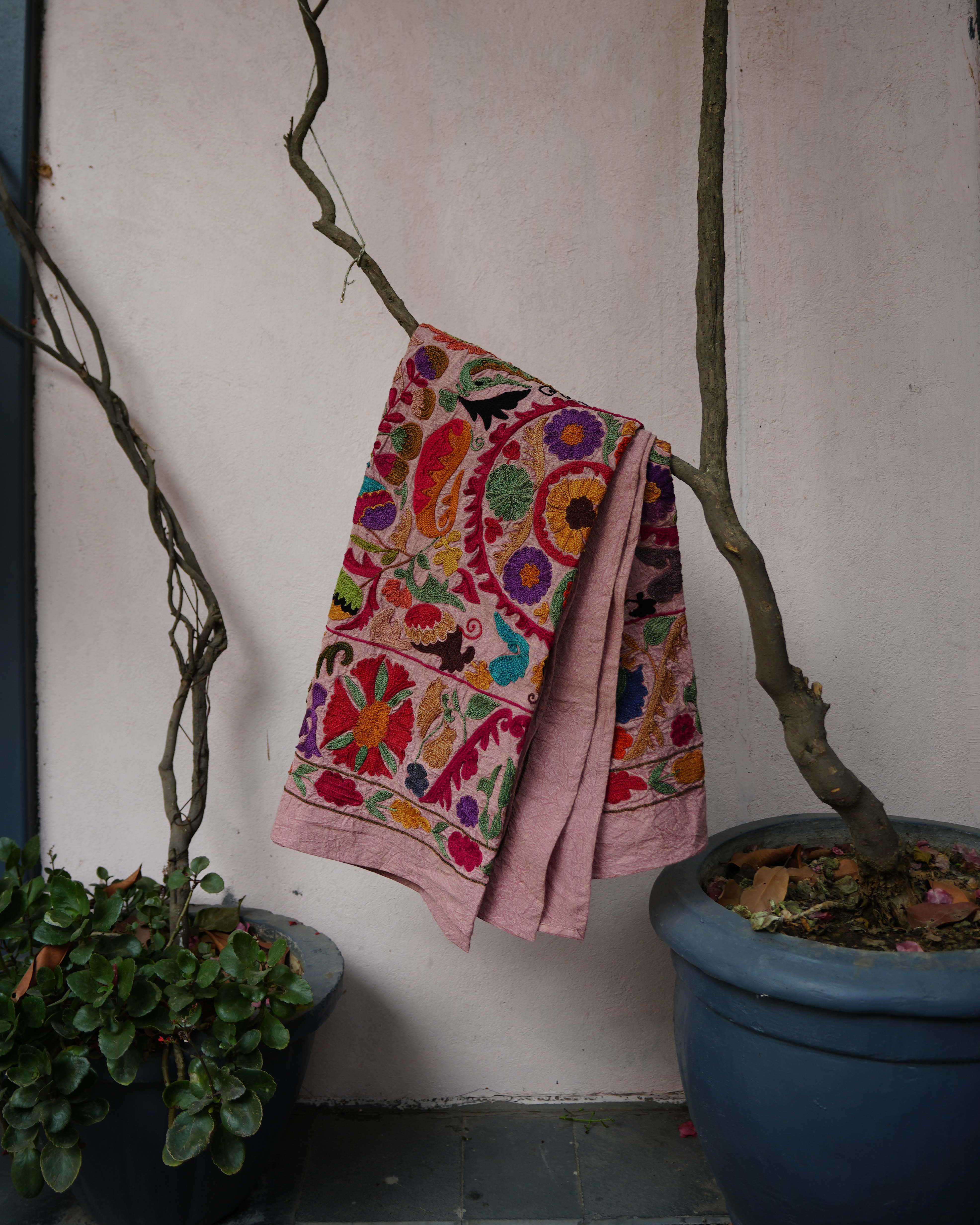
The sari, a timeless garment worn by women across India, is more than just a piece of clothing. It is a tapestry of history, culture, and tradition, woven with intricate patterns, vibrant colors, and rich textures. At Rameti, we celebrate the heritage of vintage Indian saris by transforming them into contemporary fashion and home decor pieces. Let's delve into the fascinating world of these exquisite textiles and uncover the stories behind them.
The Origin and Evolution of the Sari
The origins of the sari date back thousands of years, with references found in ancient Indian texts and sculptures. Over time, the sari has evolved, incorporating influences from different cultures and regions. The Indus Valley Civilization provides some of the earliest evidence of sari-like garments, while the Rig Veda mentions the "nivi" or lower garment. The Gupta Empire refined the sari with silk, and the Mughal period introduced intricate embroidery and brocade work. The British colonial era further blended Indian tradition with Western influences.
Regional Variations and Techniques
India's diverse geography has given rise to numerous regional sari styles:
- Banarasi Saris: Known for luxurious silk and intricate brocade work from Varanasi.
- Kanjeevaram Saris: Renowned for their durability and vibrant colors from Tamil Nadu.
- Chanderi Saris: Lightweight and elegant, featuring a blend of silk and cotton from Madhya Pradesh.
- Bandhani Saris: Tie-dye patterns from Gujarat and Rajasthan.
- Patola Saris: Double ikat woven saris from Gujarat, known for their complex patterns.
The Art of Weaving
Weaving a sari is an art form requiring skill and precision. Traditional techniques such as handloom weaving, block printing, and embroidery create intricate designs that reflect cultural heritage. Techniques vary, like Kanchipuram silk weaving in Tamil Nadu or Banarasi brocade weaving using jacquard looms.
Cultural Significance
Saris hold immense cultural significance in India, often worn during festivals, weddings, and other special occasions. They symbolize grace, elegance, and femininity, with each region's style representing its unique cultural identity. Colors and motifs carry particular meanings, such as red for brides symbolizing prosperity and fertility.
Reviving and Repurposing Vintage Saris
At Rameti, we preserve the heritage of vintage Indian saris by repurposing them into contemporary fashion and home decor items. Each piece we create retains the essence of its origin while being transformed into modern designs.
Conclusion
Vintage Indian saris are pieces of art that encapsulate centuries of tradition and culture. At Rameti, we celebrate and preserve this heritage by transforming these exquisite textiles into unique, modern creations. Join us on this journey to explore the rich tapestry of Indian saris and the stories they tell.